Identify a bug bite by picture
A photograph on its own rarely settles a bite, because marks from different insects look alike. What a photograph does settle is the shortlist — combined with where the marks are, how they are arranged and how fast they appeared, most bites narrow to two or three candidates. Below are photographs of 28 biting species found in the United States, each with the mark it leaves and how long that mark lasts.
What a picture can and cannot tell you
| A picture settles | the arrangement of the marks, their number, roughly their size, and whether the skin is broken, blistered or ringed |
|---|---|
| A picture suggests | the culprit, when the arrangement is distinctive — a line of three, a target ring, a single blistering sting |
| A picture cannot settle | which of several similar insects it was, whether the bite is infected in the first day, or whether a species that transmits disease was involved |
| A picture is beside the point | when breathing, the face or the throat are involved, or when a fever follows a bite |
The single most useful thing in any bite photograph is not the mark. It is the arrangement: one mark or many, scattered or in a line, on covered skin or uncovered. Insects feed in characteristic ways, and that habit survives in the photograph even when the individual marks are unremarkable.
Comparing by eye is slow. The app reads your photo and names the likeliest cause. Download free iPhone & iPad · no account
Photographs of the insects that bite
These are photographs of the insects, not of bites. Every frame is a verified specimen record from the GBIF biodiversity database under a CC0 or CC BY licence, with the photographer and licence named on the species page. What each one leaves behind is described beside it — in words, from the same data the rest of this site runs on. Photographs of the marks themselves live on three separate pages: spider bites, bed bug bites and tick bites.
Mosquitoes
Soft puffy bumps on skin that was uncovered.
-
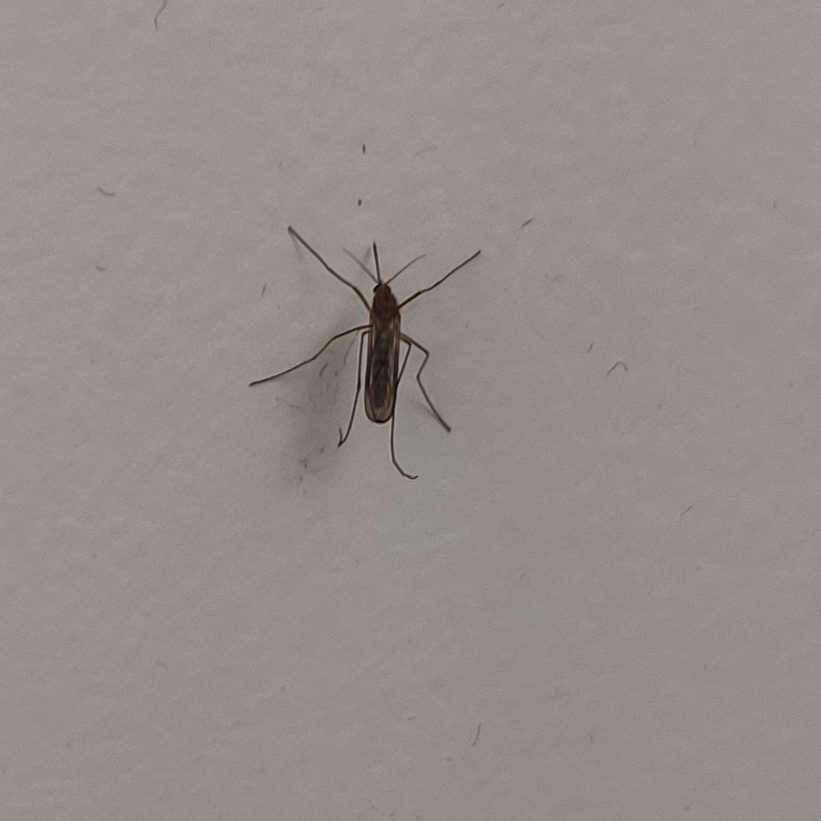 Mosquito bite a soft, puffy raised bump (wheal) with a tiny centre dot, pink to red on lighter skin, darker brown or purple on deeper skin.
 -
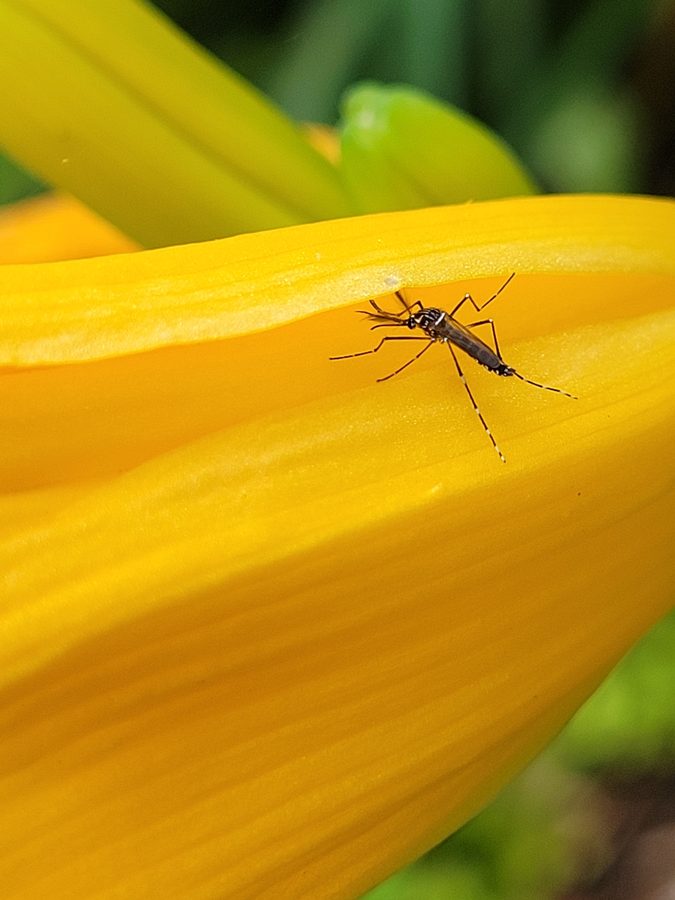 Aedes mosquito bite a raised itchy bump, often larger and more persistent than a common house mosquito bite, pink to red, darker on deeper skin tones.
Bed bugs and kissing bugs
Marks in lines or clusters, appearing overnight.
-
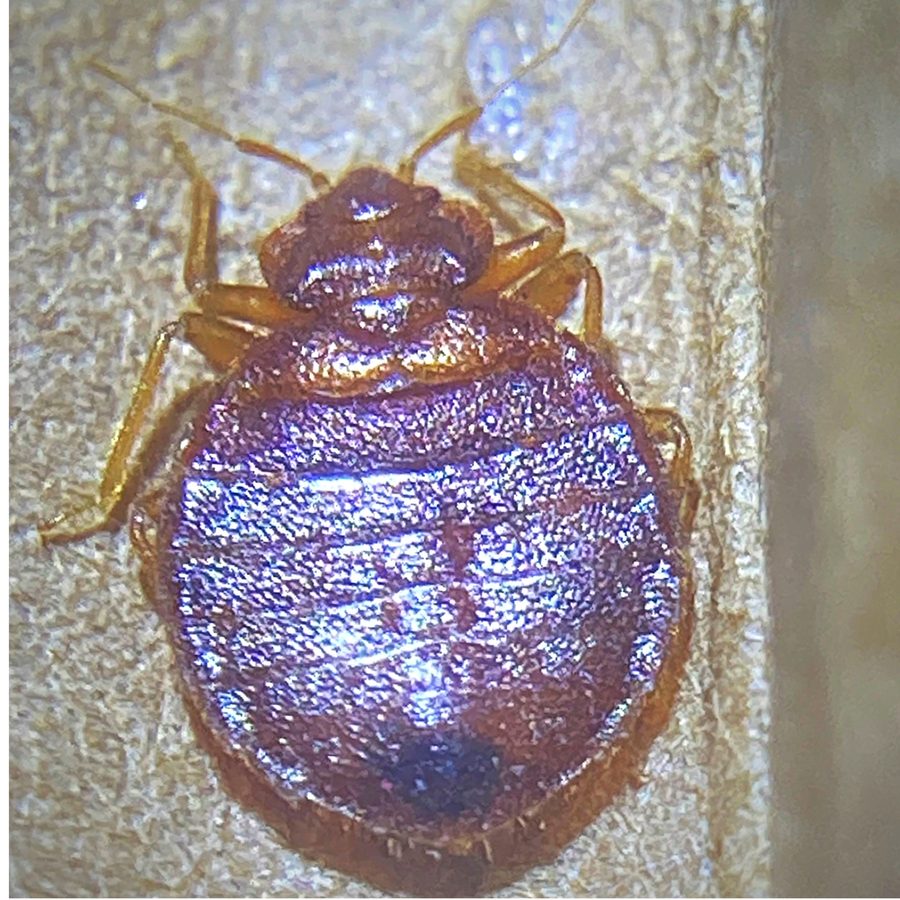 Bed bug bite firm, flat-topped welts, often with a darker centre, red and inflamed, darker on deeper skin tones.
 -
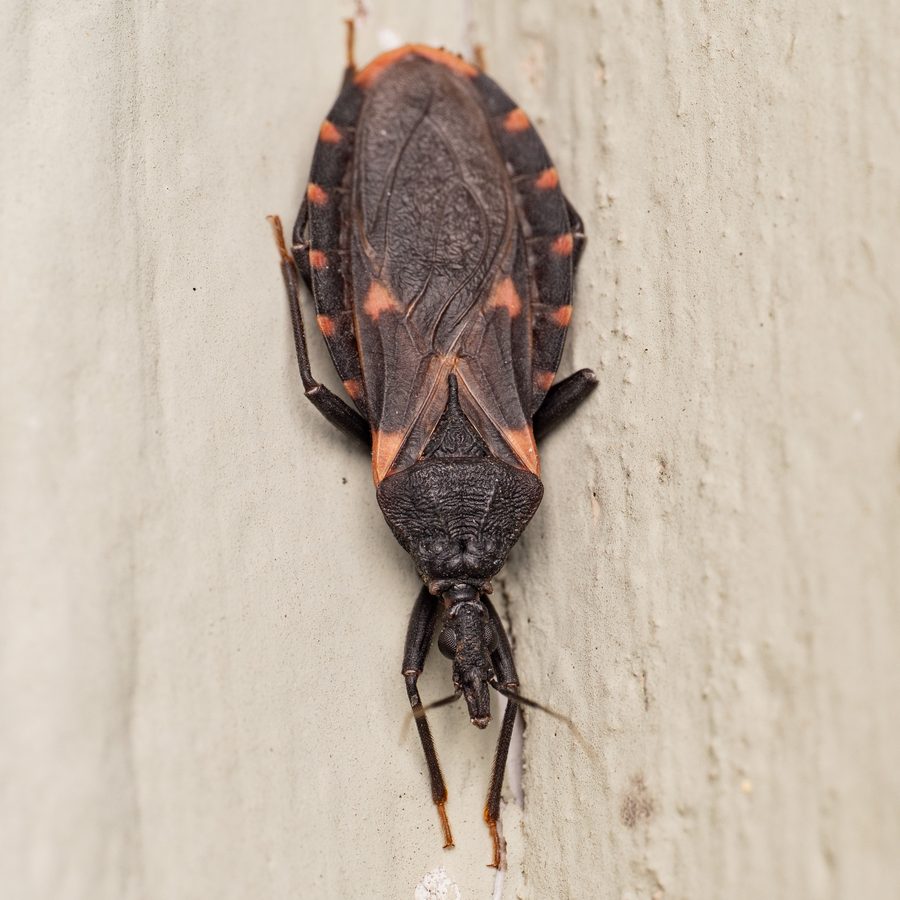 Kissing bug bite painless swollen bumps, sometimes several together, red, sometimes with marked swelling of one eyelid.
Spiders
Almost always a single mark, not a group.
-
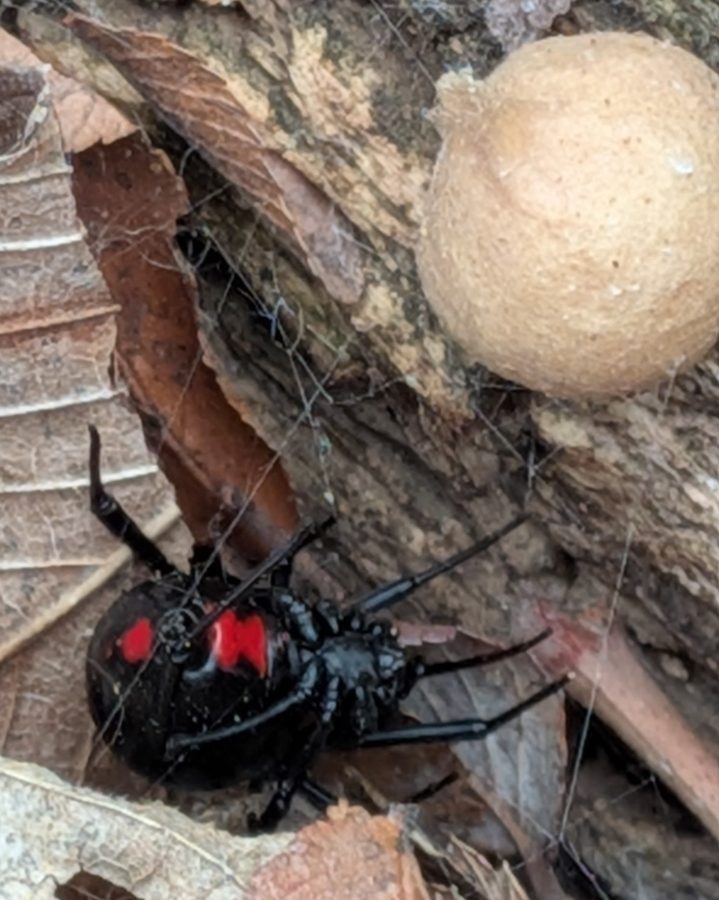 Black widow spider bite two small puncture marks with a pale centre and a red ring, red ring, sometimes blanching in the middle.
 -
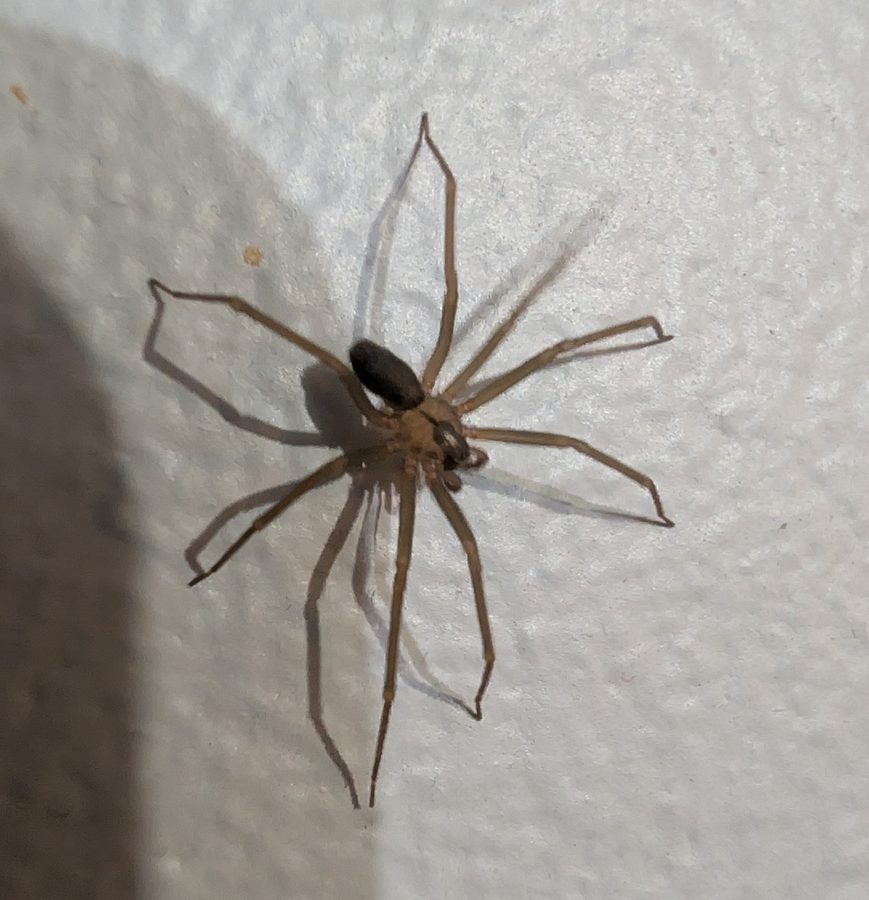 Brown recluse spider bite a red bump that may develop a pale or blue-grey centre and, in a minority of cases, an ulcer, red rim, dusky centre.
 -
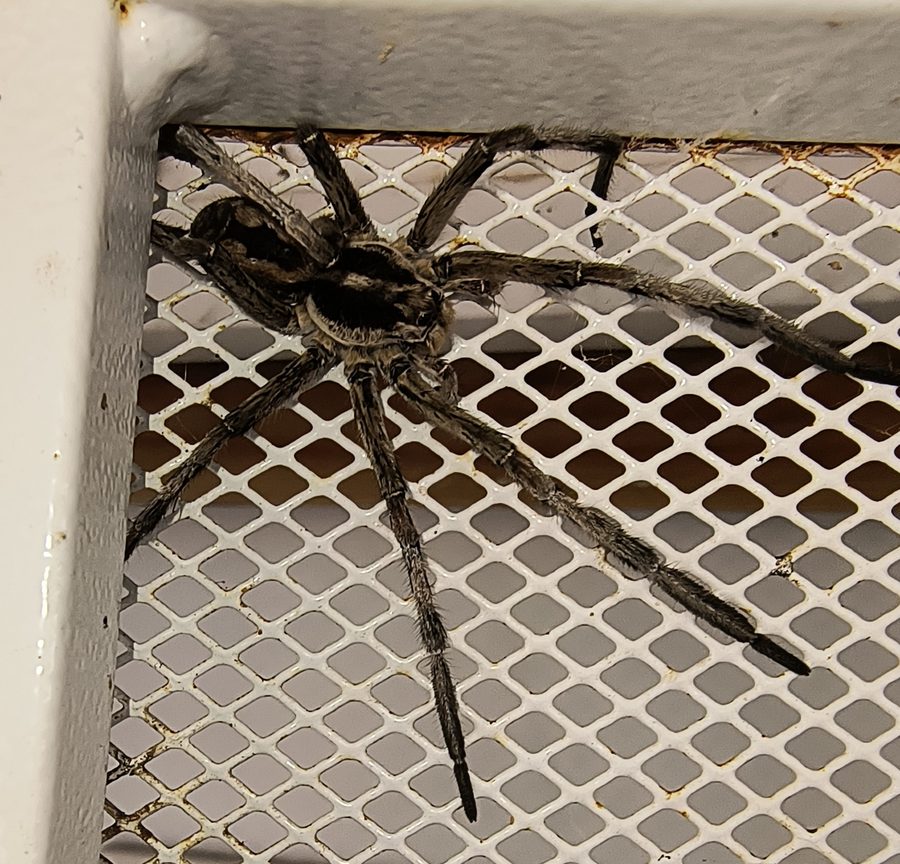 Wolf spider bite a red swollen area with two faint puncture points, red.
 -
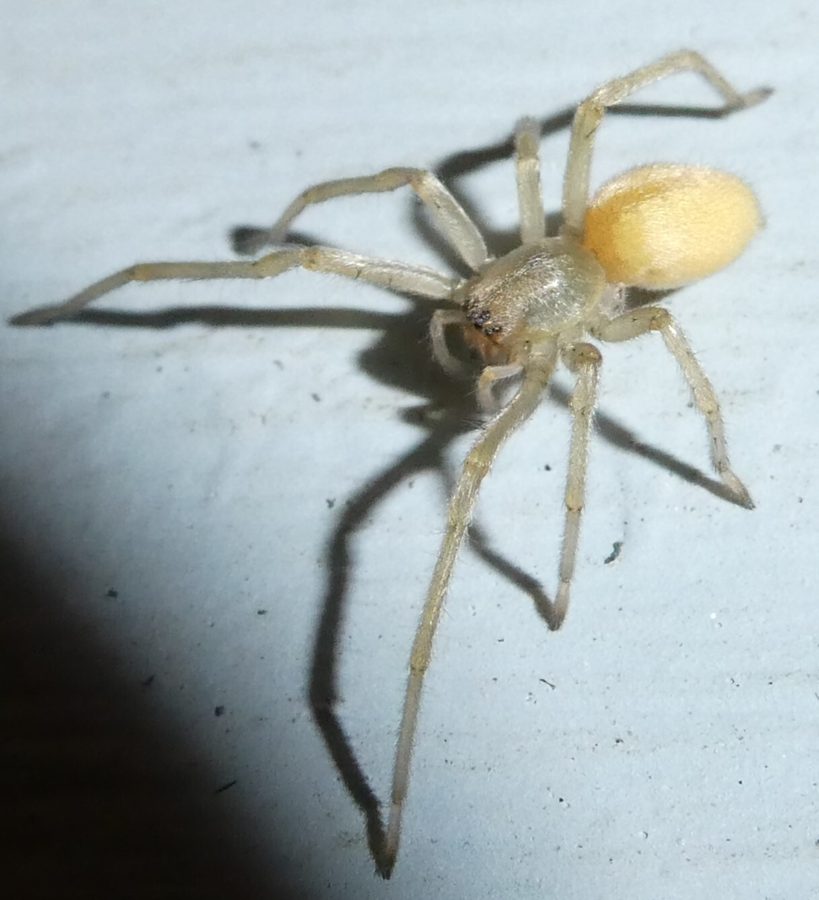 Yellow sac spider bite a red, tender bump, occasionally with a small blister, red, sometimes with a pale centre.
 -
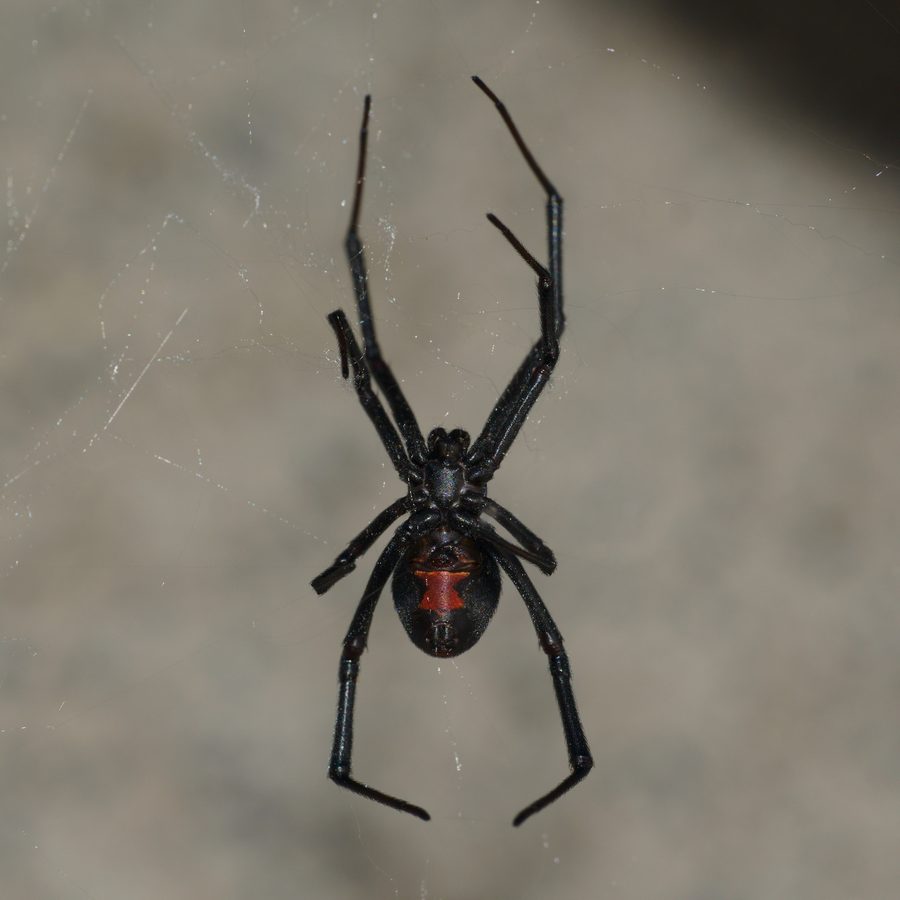 Redback spider bite often little to see — a pinprick, sometimes two punctures with a red mark, red, sometimes with local sweating.
 -
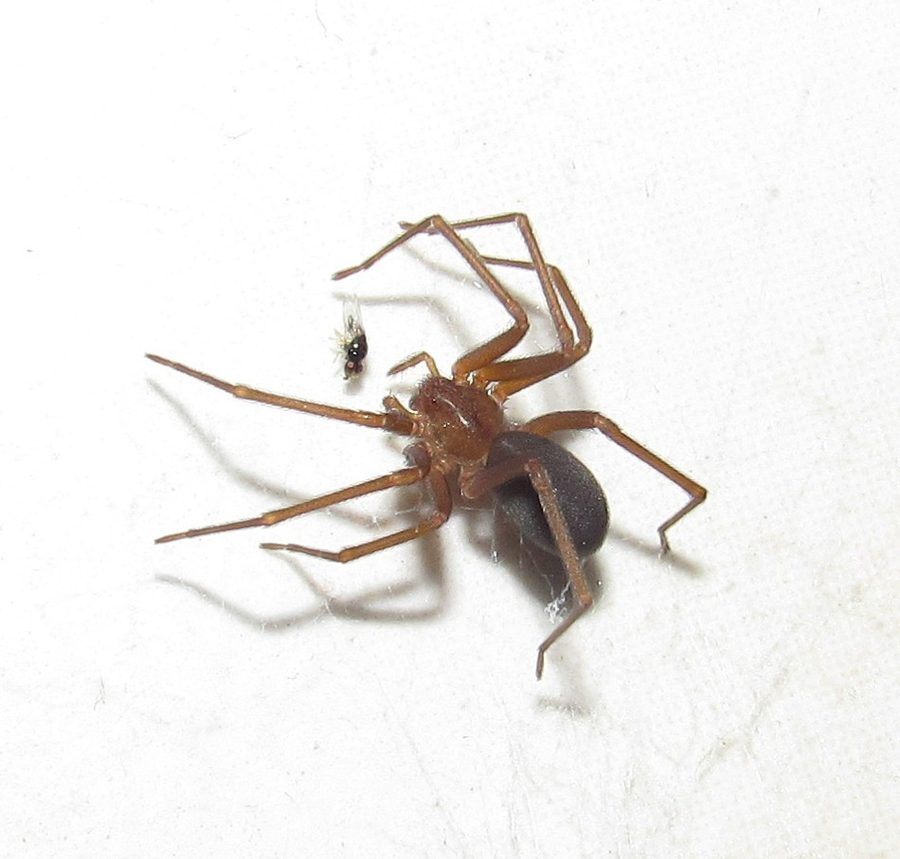 Brazilian recluse spider bite often painless at first, then a red mark that may develop a pale or blue-grey centre and, in some cases, an ulcer, red rim, dusky centre.
Ticks
The insect is often still attached — that is the identification.
-
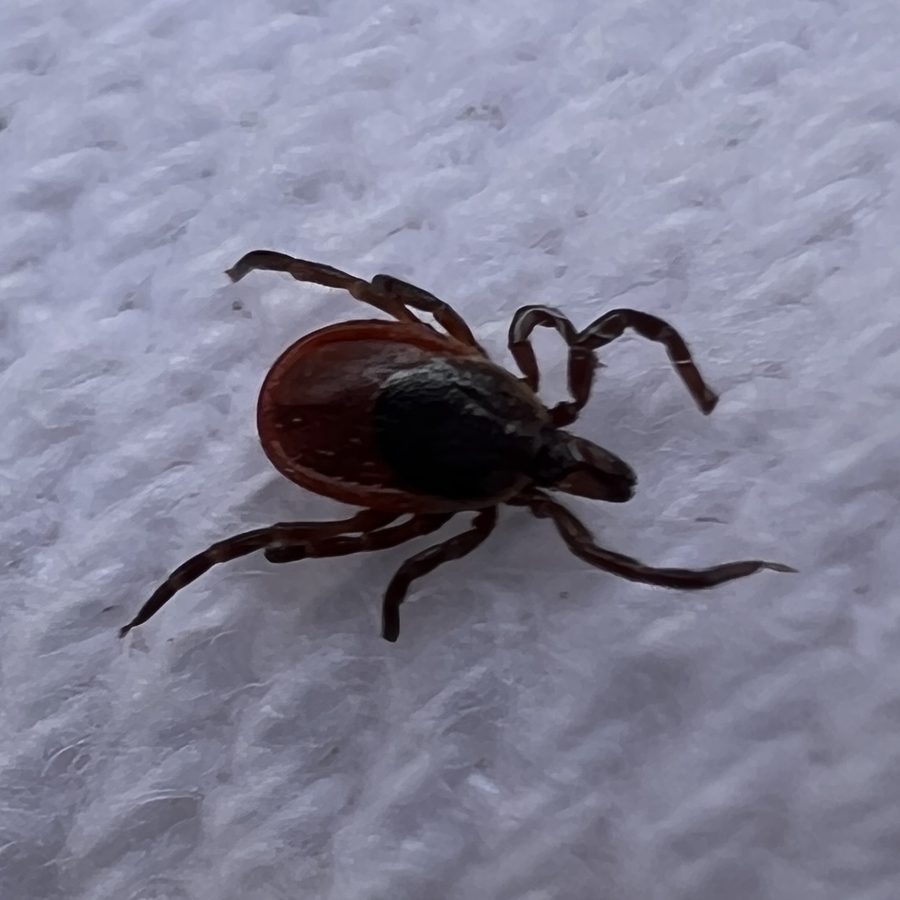 Deer tick bite a small firm red bump where the tick was attached, sometimes with the tick still in place, red; a spreading ring or oval rash is the finding that matters.
 -
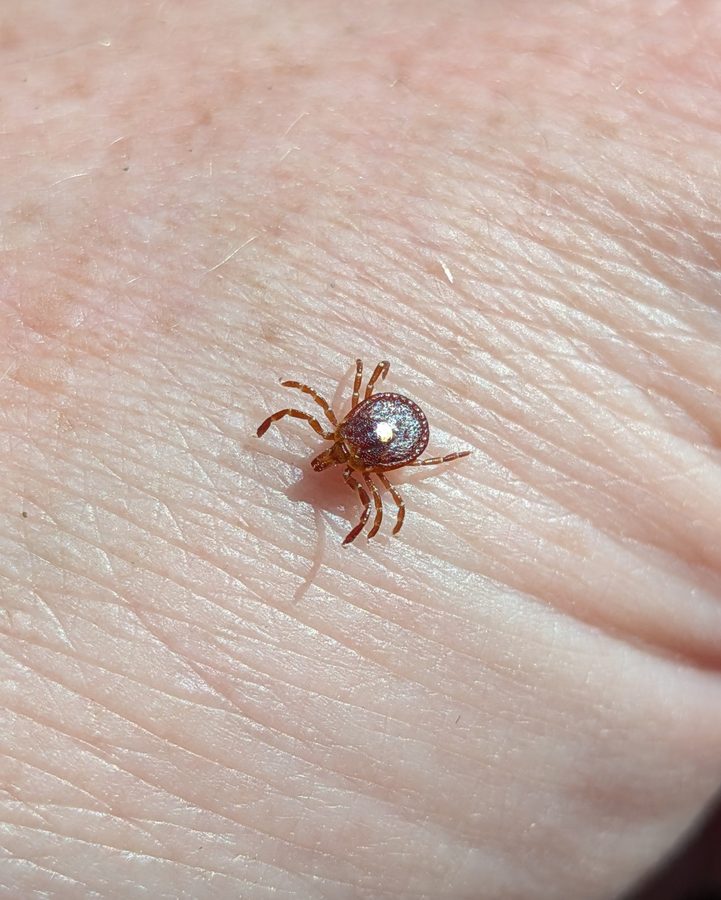 Lone star tick bite a firm itchy bump, often more irritated than other tick bites, red, occasionally with a central crust.
 -
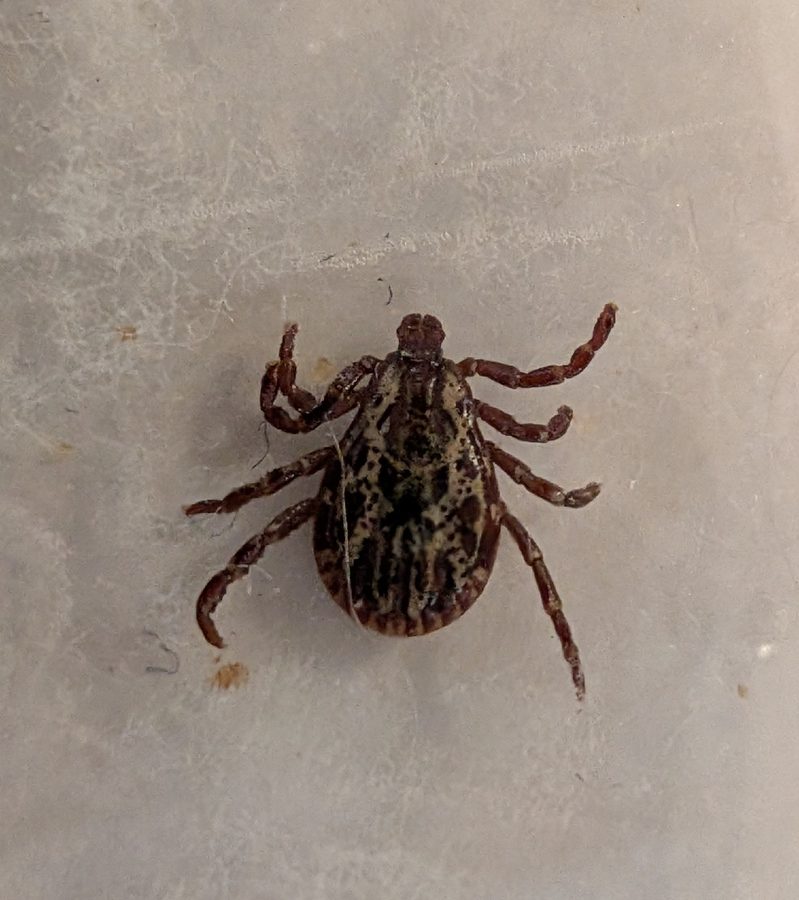 American dog tick bite a firm red bump, sometimes with a small crust where the mouthparts were, red.
 -
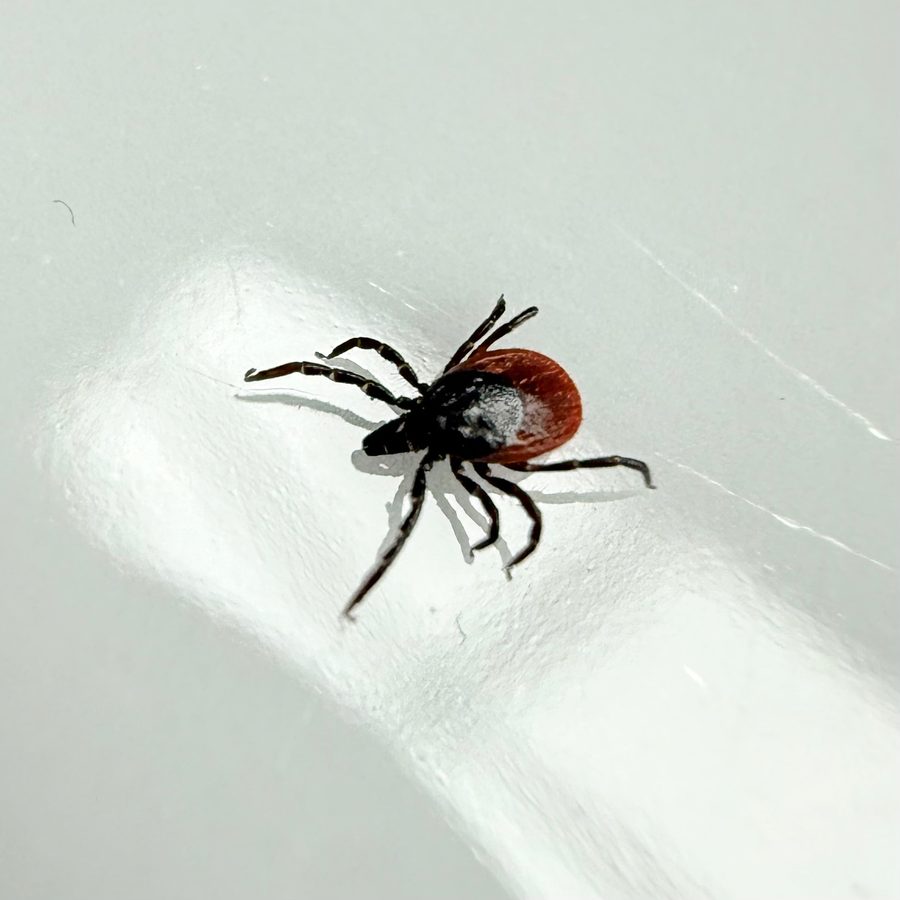 Castor bean tick bite a small firm red bump where the tick was attached, often with the tick still in place, red; an expanding ring or oval rash is the finding that matters.
 -
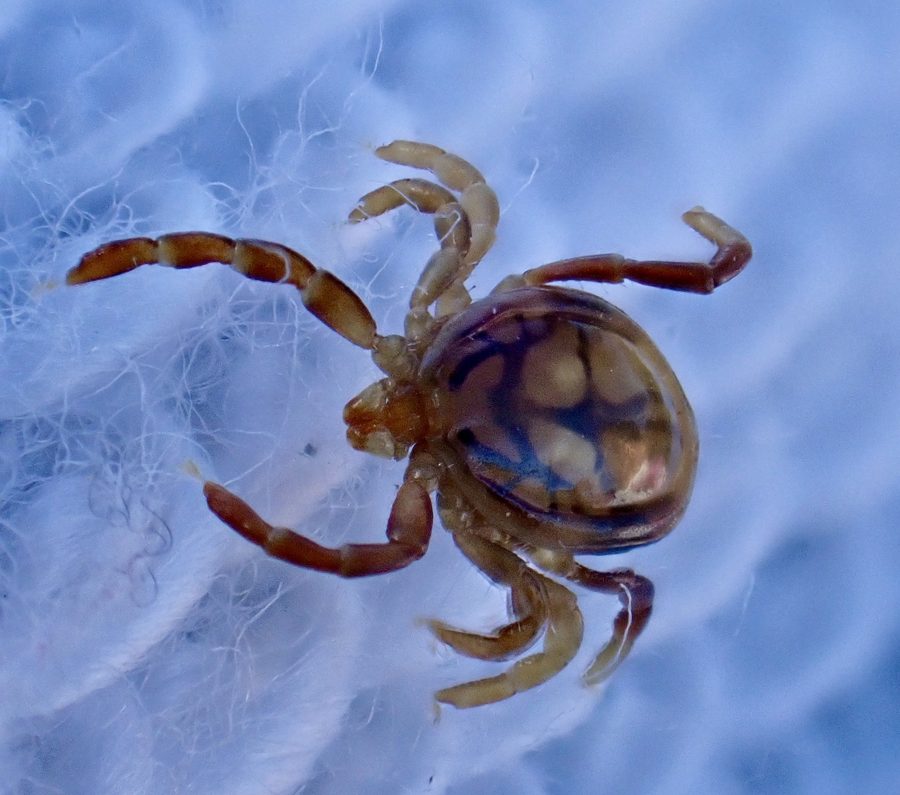 Paralysis tick bite a red, often itchy lump with the tick attached; local swelling can be marked, red, sometimes with a pale halo.
Wasps and hornets
Immediate sharp pain, one sting site.
-
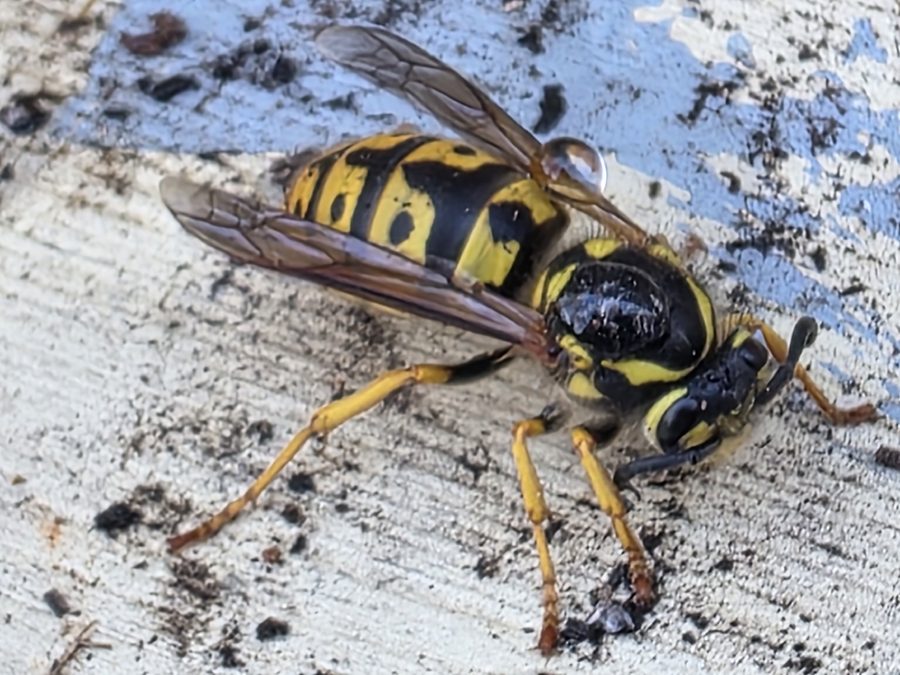 Yellowjacket sting a raised red welt, often with a visible central point, and marked swelling, red with pale swollen centre.
 -
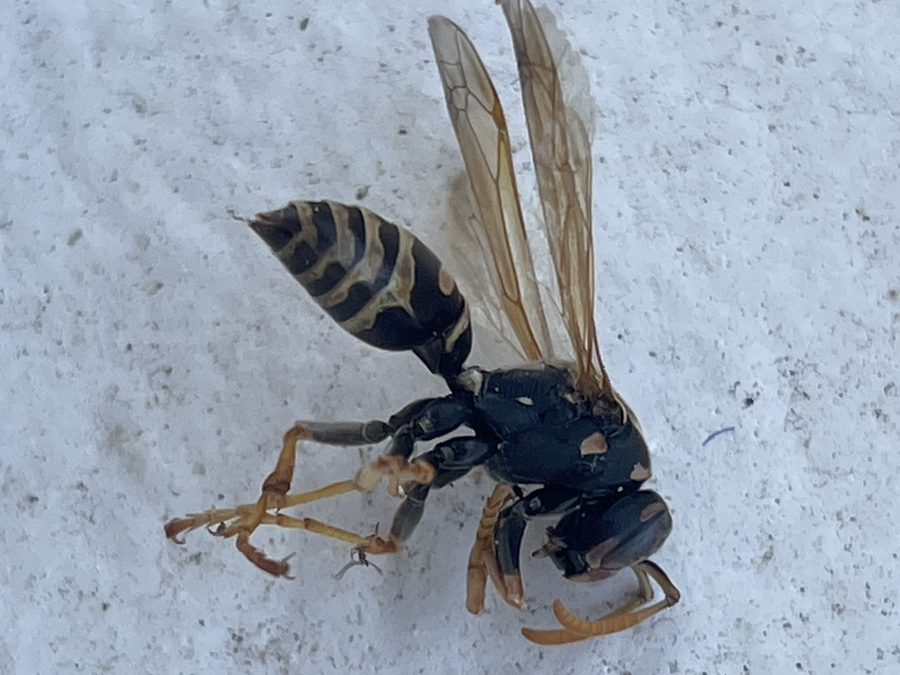 Paper wasp sting a red welt with a bright centre and firm swelling, red.
 -
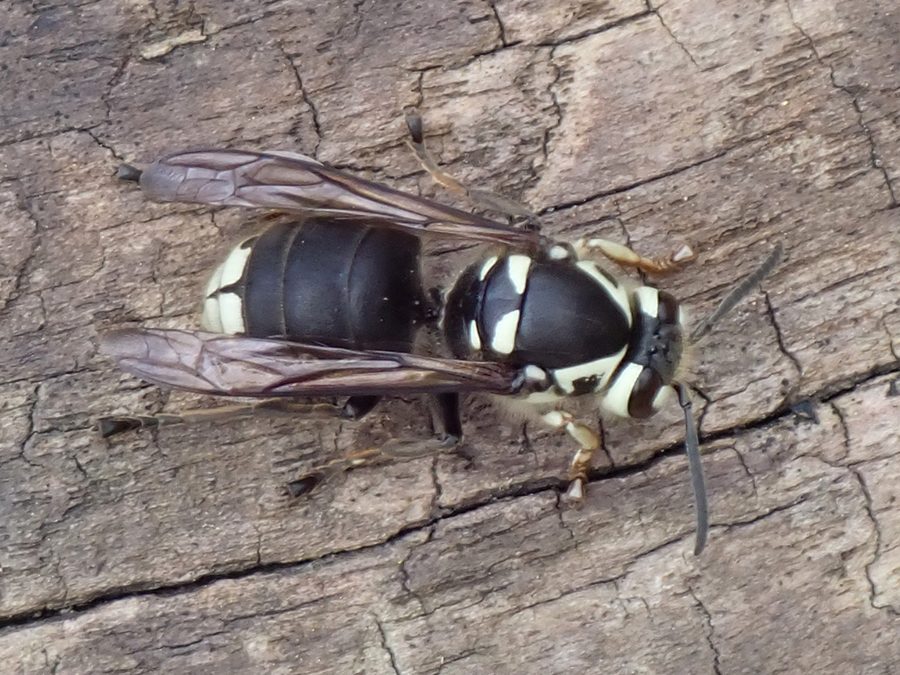 Bald-faced hornet sting a large, hot, red swelling with a central point, red.
Bees
A sting left behind in the skin points here.
-
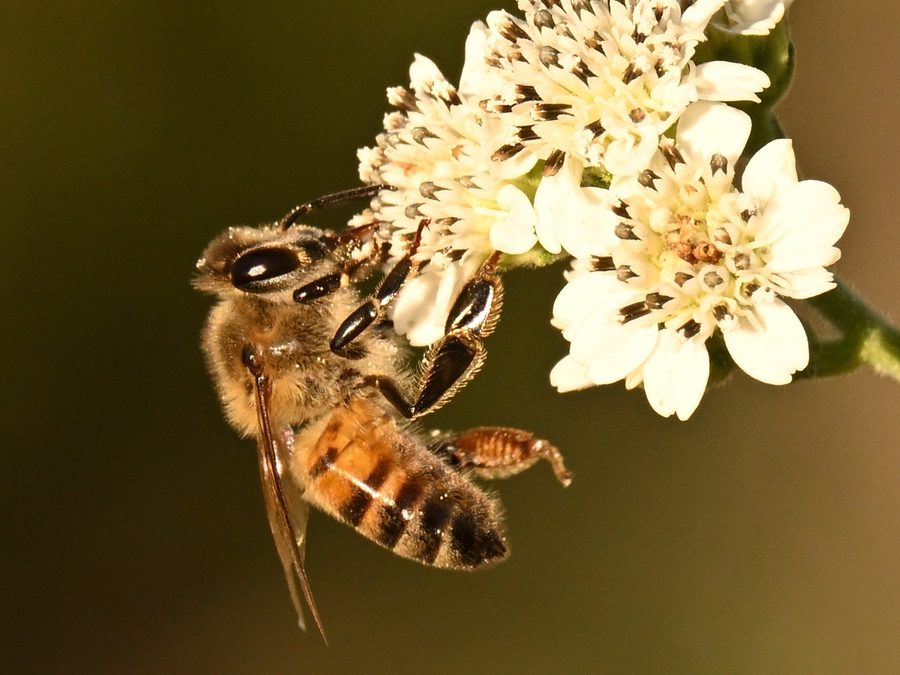 Honey bee sting a white raised centre in a red swollen area, with the barbed stinger often still in the skin, red with a pale centre.
Ants
Fire ant stings blister; carpenter ants pinch and spray acid.
-
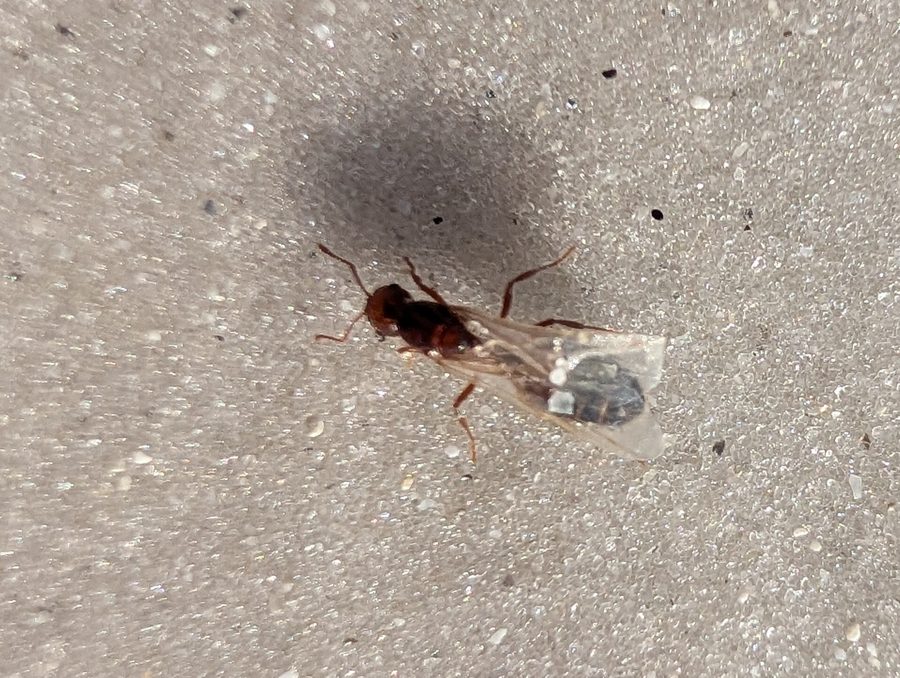 Fire ant sting a burning red welt that develops a sterile white pustule within a day, red base, white or yellow pustule centre.
 -
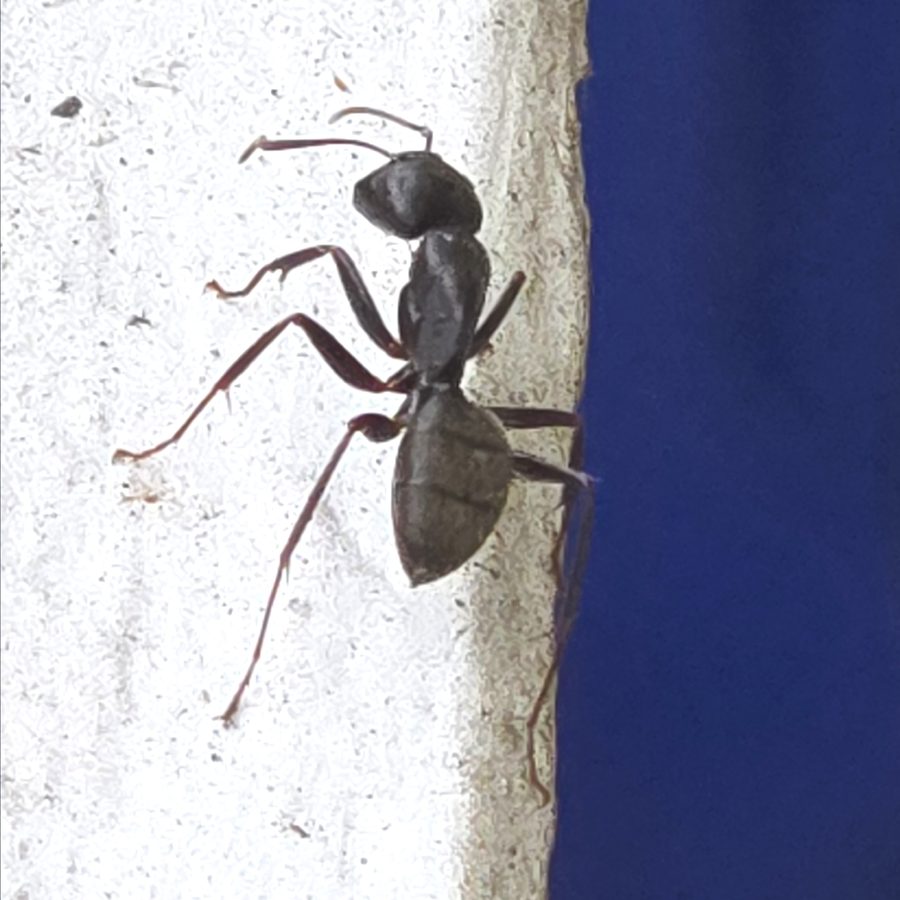 Carpenter ant bite a small red mark, sometimes with a brief burning sensation from formic acid, red.
Flies and midges
A cut rather than a puncture, and it bleeds.
-
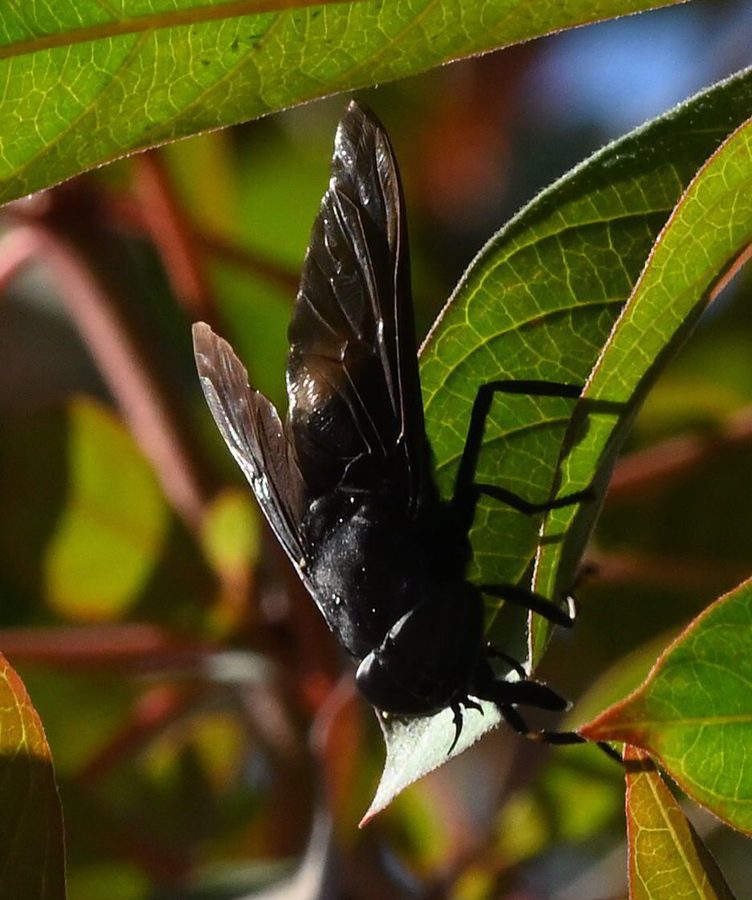 Horsefly bite a large raised red weal, often with a visible cut and a spot of bleeding, red, may bruise.
 -
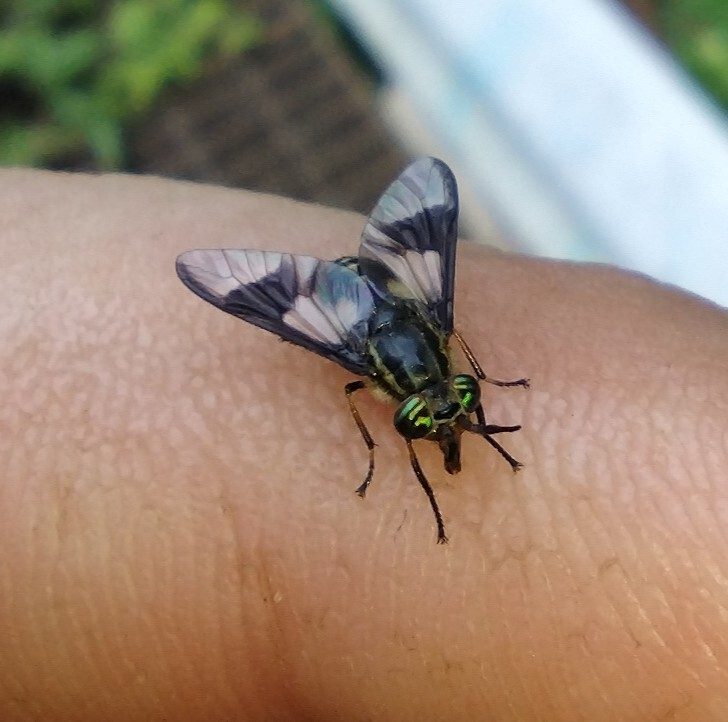 Deer fly bite a painful red weal, smaller than a horsefly bite, red.
 -
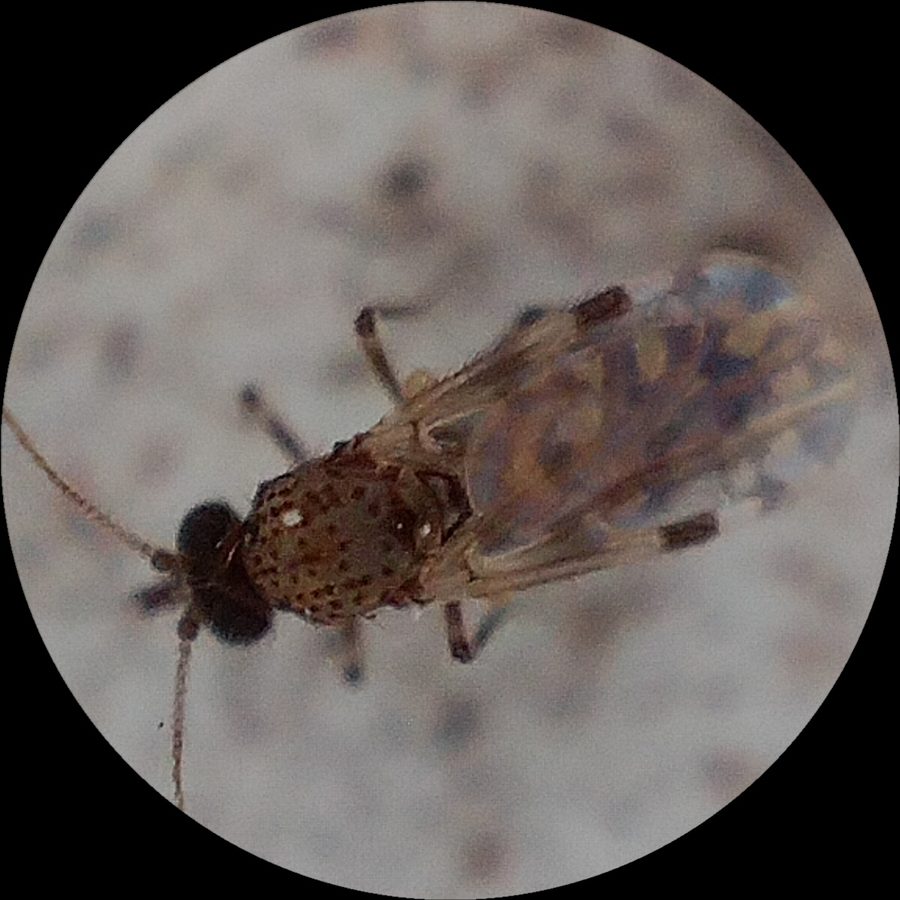 No-see-um bite tiny red dots that swell into hard, intensely itchy bumps, bright red.
Fleas
Ankles and lower legs, in threes.
-
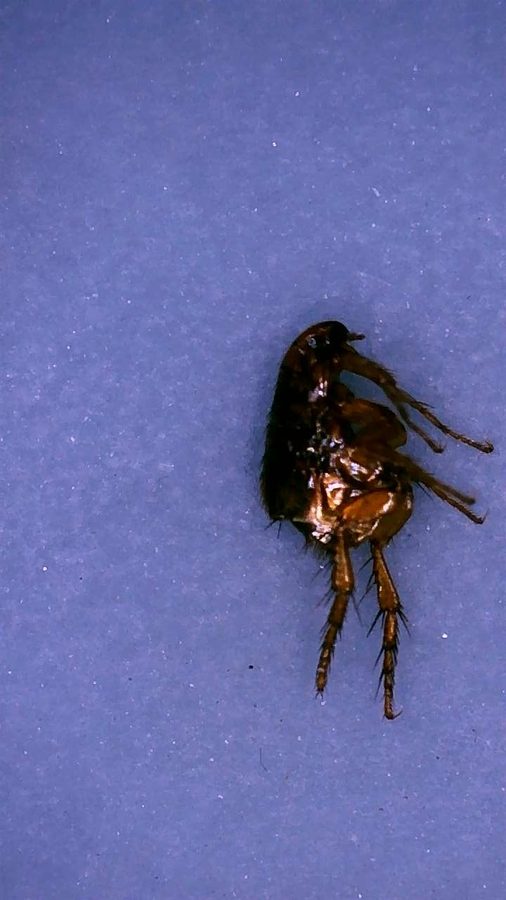 Flea bite small, hard bumps with a distinct red centre point, bright red halo around a darker punctum.
Lice
Scalp and neckline, with eggs on hairs.
-
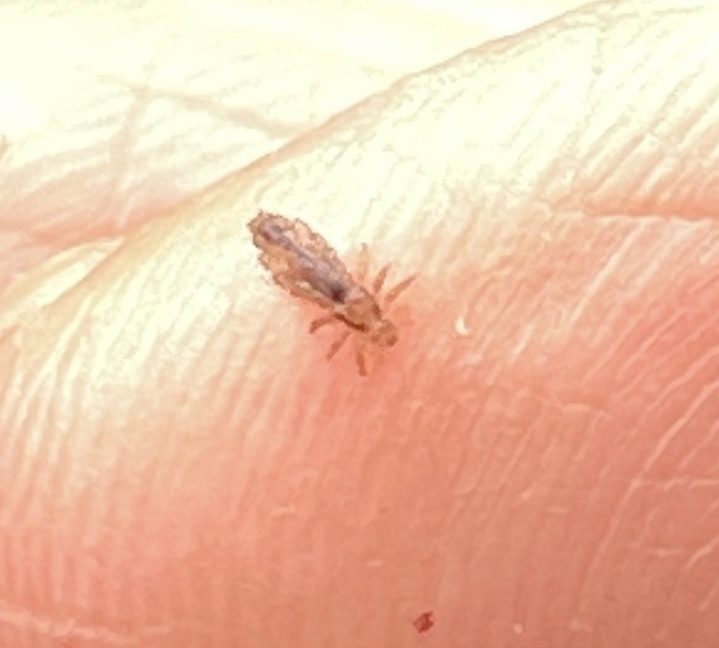 Head lice bites small red bumps on the scalp and neck, with tiny pale eggs glued to hair shafts, red bumps; eggs are pale and stuck fast, unlike dandruff.
Scorpions
Pain out of proportion to a mark you can barely see.
-
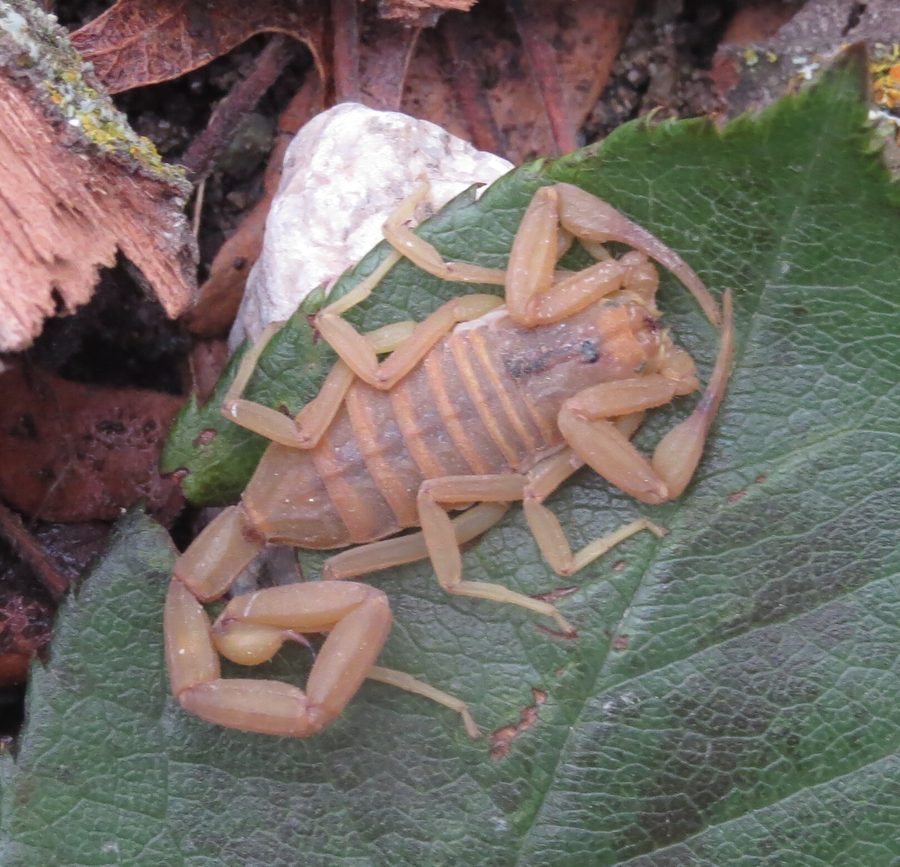 Bark scorpion sting often no visible mark at all — pain out of proportion to what can be seen, minimal redness.
 -
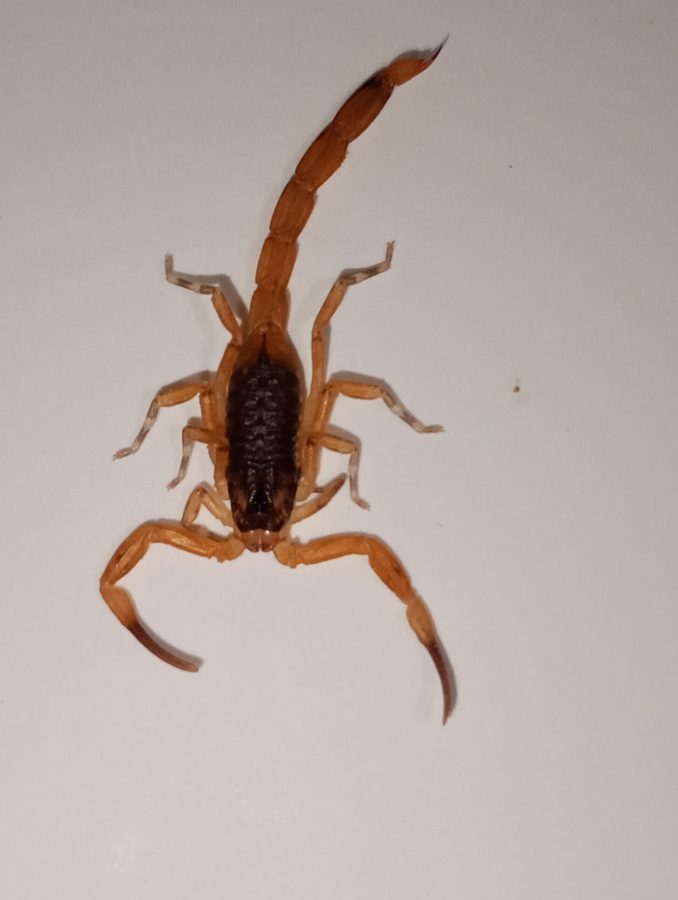 Brazilian yellow scorpion sting usually nothing to see — intense burning pain out of proportion to the mark, minimal redness.
3 species on this site have no photograph here on purpose: chigger, black fly, scabies. No freely licensed frame of the actual animal exists that we could verify, and a wrong photograph is worse than none — the free pool for one of them is mostly pictures of foxes with mange. Their pages describe the mark in words instead.
How to take a photograph worth comparing
- Daylight, no flash. Flash flattens the surface and washes out the colour difference between a bite and the skin around it, which is the part that matters.
- Two frames, not one. One close on a single mark, one wide enough to show how the marks sit relative to each other.
- Something for scale. A fingernail or a coin in the wide frame. "About a centimetre" is a different bite from "about four".
- Photograph the insect if it is there. An attached tick, a sting left in the skin, a squashed bug on the sheet — any of these ends the question that the mark alone cannot.
- Take it again tomorrow. Direction of travel separates a normal reaction from an infected one better than any single frame: normal peaks by 48 hours and then fades, infection worsens after day two or three.
Get a photo assessment in the app
Everything above is free to read. The app adds what a page cannot: point your camera at the bite and get an assessment of the most likely cause, a severity read, and a day-by-day care plan — including the specific signs that mean you should be seen.
Download on the App Store — free
iPhone and iPad · Free to download · No account needed
If you cannot photograph the insect
Work from the three things a mark always carries. Where it is: ankles and lower legs point to fleas, uncovered skin to mosquitoes and midges, covered skin that was against bedding to bed bugs, the scalp and neckline to lice. How many and in what shape: spiders and stings leave one mark, bed bugs commonly a line or a cluster, fleas often threes. How fast: stings hurt immediately, mosquito bumps rise within minutes, bed bug and chigger reactions can take hours to a day to show at all.
Two shortcuts on this site do that narrowing with data rather than by eye: what bit me, by state ranks the species actually recorded where you are, and bites by country does the same internationally. Both are built from verified GBIF occurrence records, so the list changes with location and season instead of being the same list everywhere.
When to stop identifying and get seen
- Difficulty breathing, tightness in the throat, swelling of the face, lips or tongue, dizziness or collapse — emergency care now, whatever the insect was.
- A red area that spreads, feels hot and hurts more each day, or a red streak running away from the bite.
- Fever, chills or feeling generally unwell in the days after a bite.
- A rash that expands outward days to weeks after a tick bite.
- A wound that darkens, blisters widely or breaks down.
Common questions
Can you identify a bug bite from a picture?
A picture narrows the shortlist; it rarely settles the answer alone. Bite marks from different insects overlap heavily — a mosquito bite, a flea bite and an early bed bug bite can look identical in a photograph. What separates them is the pattern the marks make, where on the body they are, and how quickly they appeared. Those three together do most of the work.
How do I photograph a bite so it is actually useful?
Daylight near a window, no flash, camera about a hand-span away and steady. Take one close frame of a single mark and one wider frame showing how the marks are arranged, because arrangement is the more informative of the two. Put something for scale in the wider shot — a fingernail or a coin. If the insect is still there, photograph it: that ends the guessing.
Are these photographs of bites or of insects?
Of insects. Every photograph on this page is a verified specimen record from GBIF under a CC0 or CC BY licence, showing the animal that causes the bite. Photographs of the marks themselves are on separate pages — spider bites, bed bug bites and tick bites — kept separate on purpose, because a page that promised bite photographs while showing insects would be lying about the one thing it exists to do.
Can I identify a bite without seeing the insect?
Usually yes, to within two or three candidates. Arrangement (single, line, cluster, ring), body area, timing and how long the mark lasts are all recorded per species on this site, and combining them is more reliable than matching a photograph by eye.
When does the picture stop mattering?
When the reaction is the problem rather than the cause. Difficulty breathing, swelling of the face, lips or throat, a spreading hot red area, a red streak running away from the site, or fever after a bite all need care now, whatever bit you.