Paralysis tick bite
What it looks like: A red, often itchy lump with the tick attached; local swelling can be marked, red, sometimes with a pale halo. Pattern: single. Onset: within hours of attachment. Worst at: days 1 to 3. Duration: up to two weeks; itch can persist longer.
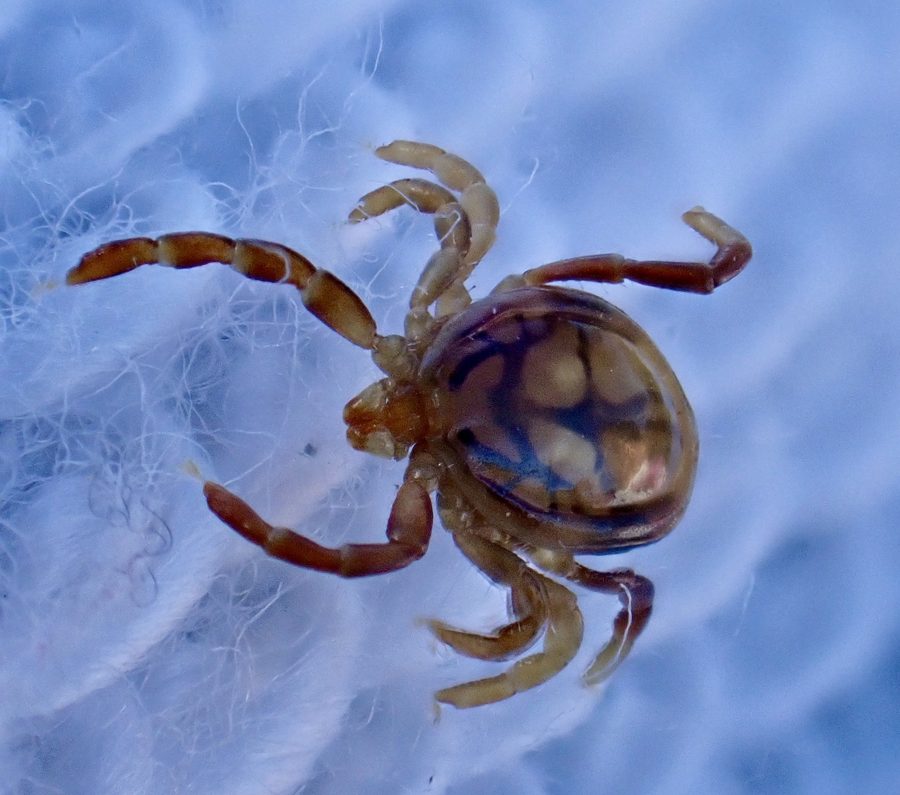
| Looks like | a red, often itchy lump with the tick attached; local swelling can be marked |
|---|---|
| Pattern | single |
| Size | 5–40 mm |
| Appears | within hours of attachment |
| Worst at | days 1 to 3 |
| Lasts | up to two weeks; itch can persist longer |
| Itch | ●●●●○ 4/5 |
| Pain | ●●○○○ 2/5 |
| Usually on | scalp, behind the ears, neck, anywhere brushed against vegetation |
| Active | August, September, October, November, December, January, February, March, daytime, in humid weather |
Not sure it is paralysis tick? The app reads the photo and names the likeliest cause. Download free iPhone & iPad · no account
How to tell it apart
The Australian paralysis tick is the reason tick advice in Australia differs from everywhere else. Removal guidance here is the opposite of the standard American approach: kill the tick in place rather than pull it, because disturbing it can trigger a surge of saliva in someone already sensitised.
Where and when you meet it
Habitat: wet forest and dense bush along the eastern seaboard of Australia, from north Queensland to eastern Victoria — including suburban gardens in that strip.
Where it is recorded
| Country | Records | Peak months there |
|---|---|---|
| Australia | 1,372 | August to November |
| Germany | 1 | — |
Verified records from the GBIF biodiversity database across the seven countries we cover. A country missing from this table means we have no records for it, not that the species is absent.
What it means for you
Two things make this tick unusual. It can cause an ascending paralysis in children and pets, which is a genuine emergency and resolves once the tick is gone. And it is the main Australian cause of mammalian meat allergy — hives or gut symptoms three to six hours after eating beef, pork or lamb, sometimes beginning months after the bite.
Associated illnesses in the US
- tick paralysis
- tick-induced mammalian meat allergy (alpha-gal)
- Queensland tick typhus
Most bites transmit nothing. What matters is the follow-up: note the date, and report any fever or rash in the following weeks to a clinician along with the fact that you were bitten.
Seek medical care if
- unsteady walking, weakness, drooping eyelids or difficulty swallowing while a tick is attached — an emergency, particularly in children
- difficulty breathing or a rapidly spreading rash
- hives or stomach cramps hours after eating red meat, developing after a tick bite
- fever with a rash and a dark scab at the bite site
Care at home
- Australian guidance is to kill the tick where it sits rather than pull it out: freeze it with an ether-containing spray from the pharmacy and let it drop off
- for small nymphs, permethrin cream can be used instead
- do not scratch, squeeze or grab the body of the tick — that is what injects more saliva
- seek care immediately for any weakness, unsteadiness or breathing difficulty
Preventing the next one
- long sleeves and trousers in bush country, permethrin-treated clothing
- check the scalp and behind the ears within two hours of coming inside
- keep pets treated — dogs bring ticks indoors
Common questions
Do paralysis ticks bite humans?
The Australian paralysis tick is the reason tick advice in Australia differs from everywhere else. Removal guidance here is the opposite of the standard American approach: kill the tick in place rather than pull it, because disturbing it can trigger a surge of saliva in someone already sensitised.
What does a paralysis tick bite look like?
A red, often itchy lump with the tick attached; local swelling can be marked, red, sometimes with a pale halo. Pattern: single. Size: typically 5–40 mm across.
Does a paralysis tick bite hurt?
Pain is mild (2 out of 5 on this site's scale) and itch is strong itch (4 out of 5). Onset: within hours of attachment. Worst at: days 1 to 3. Duration: up to two weeks; itch can persist longer.
How do I know it was a paralysis tick?
The Australian paralysis tick is the reason tick advice in Australia differs from everywhere else. Removal guidance here is the opposite of the standard American approach: kill the tick in place rather than pull it, because disturbing it can trigger a surge of saliva in someone already sensitised.
How long does a paralysis tick bite last?
Duration: up to two weeks; itch can persist longer. Worst at: days 1 to 3.
When is it a problem?
Seek care for: unsteady walking, weakness, drooping eyelids or difficulty swallowing while a tick is attached — an emergency, particularly in children; difficulty breathing or a rapidly spreading rash; hives or stomach cramps hours after eating red meat, developing after a tick bite; fever with a rash and a dark scab at the bite site.
Can it transmit disease?
In the United States this species is associated with tick paralysis, tick-induced mammalian meat allergy (alpha-gal), Queensland tick typhus. Most bites transmit nothing, but symptoms in the weeks after a bite are worth reporting to a clinician.
Get a photo assessment in the app
Everything above is free to read. The app adds what a page cannot: point your camera at the bite and get an assessment of the most likely cause, a severity read, and a day-by-day care plan — including the specific signs that mean you should be seen.
Download on the App Store — free
iPhone and iPad · Free to download · No account needed