No-see-um bite
What it looks like: Tiny red dots that swell into hard, intensely itchy bumps, bright red. Pattern: dozens, clustered on exposed skin. Onset: a stinging pinprick, then bumps within an hour. Worst at: day 1 to 2. Duration: up to two weeks of itch in sensitised people.
| Looks like | tiny red dots that swell into hard, intensely itchy bumps |
|---|---|
| Pattern | dozens, clustered on exposed skin |
| Size | 1–10 mm |
| Appears | a stinging pinprick, then bumps within an hour |
| Worst at | day 1 to 2 |
| Lasts | up to two weeks of itch in sensitised people |
| Itch | ●●●●● 5/5 |
| Pain | ●●○○○ 2/5 |
| Usually on | ankles, lower legs, arms, hairline |
| Active | April to October, dawn and dusk, in still air |
Not sure it is no-see-um? The app reads the photo and names the likeliest cause. Download free iPhone & iPad · no account
How to tell it apart
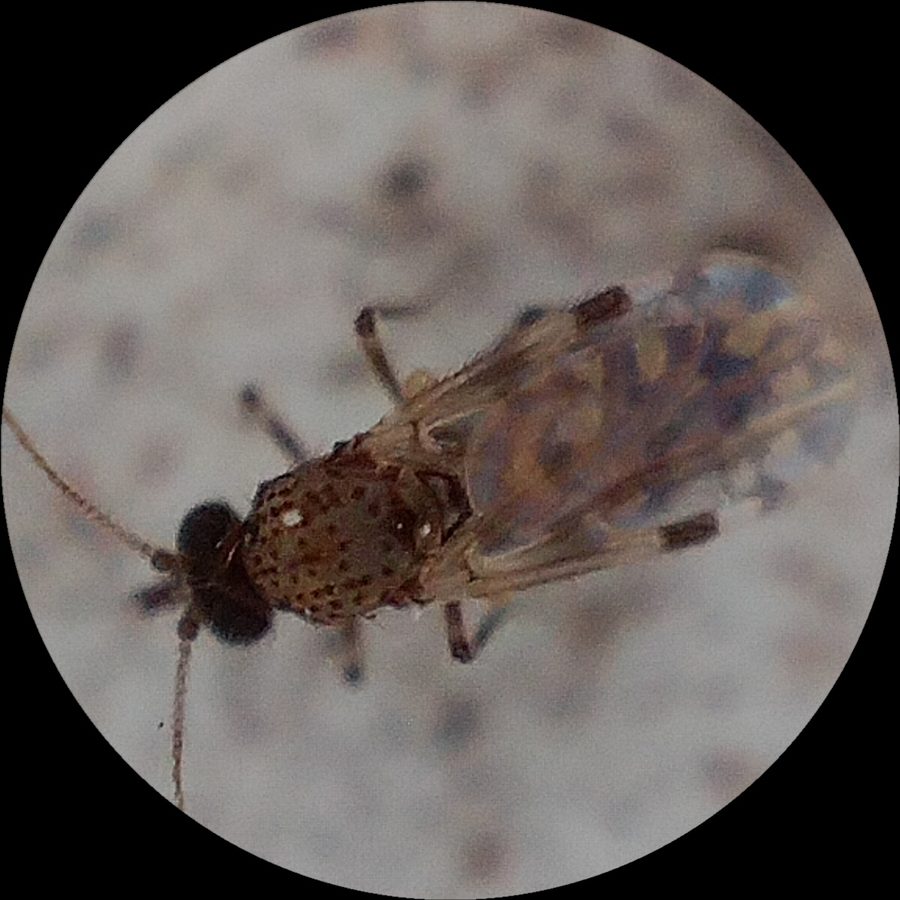
The name is the description: the insect is roughly a millimetre long and rarely seen. Bites arrive in numbers, are far itchier than their size suggests, and appear on any skin left uncovered at dusk near water.
Where and when you meet it
Habitat: coastal marsh, mangrove, lakesides and damp soil — abundant in Florida and the Gulf Coast.
Across 48 verified US records in the GBIF biodiversity database, sightings of Culicoides furens concentrate in March, July. That is the window when bites are most likely — it is observation data rather than a guess, and it shifts with latitude.
States with the most recorded sightings
- Florida 45 records · all bites in Florida
- Massachusetts 1 records
Record counts reflect where people report and identify specimens, not exact abundance. They are useful for ruling a species in, not for ruling it out.
Where it is recorded
| Country | Records | Peak months there |
|---|---|---|
| United States | 48 | March |
| Brazil | 7 | — |
Verified records from the GBIF biodiversity database across the seven countries we cover. A country missing from this table means we have no records for it, not that the species is absent.
What it means for you
For coastal visitors this is the most common cause of "something bit me all over my ankles at the beach". The itch outlasts the mark, and repeated exposure often makes reactions worse rather than better.
Seek medical care if
- spreading redness or pus from scratched bites
- blistering over a wide area
Care at home
- wash, cold pack, antihistamine
- hydrocortisone cream for persistent itch
Preventing the next one
- standard window screens do not stop them — fine mesh is needed
- avoid still evenings near marsh
- repellent helps but reapplication matters
Common questions
Do no-see-ums bite humans?
The name is the description: the insect is roughly a millimetre long and rarely seen. Bites arrive in numbers, are far itchier than their size suggests, and appear on any skin left uncovered at dusk near water.
What does a no-see-um bite look like?
Tiny red dots that swell into hard, intensely itchy bumps, bright red. Pattern: dozens, clustered on exposed skin. Size: typically 1–10 mm across.
Does a no-see-um bite hurt?
Pain is mild (2 out of 5 on this site's scale) and itch is intense itch (5 out of 5). Onset: a stinging pinprick, then bumps within an hour. Worst at: day 1 to 2. Duration: up to two weeks of itch in sensitised people.
How do I know it was a no-see-um?
The name is the description: the insect is roughly a millimetre long and rarely seen. Bites arrive in numbers, are far itchier than their size suggests, and appear on any skin left uncovered at dusk near water.
How long does a no-see-um bite last?
Duration: up to two weeks of itch in sensitised people. Worst at: day 1 to 2.
When is it a problem?
Seek care for: spreading redness or pus from scratched bites; blistering over a wide area.
Can it transmit disease?
No human disease is known to be transmitted by this species in the United States. The practical risk is infection from scratching.
Get a photo assessment in the app
Everything above is free to read. The app adds what a page cannot: point your camera at the bite and get an assessment of the most likely cause, a severity read, and a day-by-day care plan — including the specific signs that mean you should be seen.
Download on the App Store — free
iPhone and iPad · Free to download · No account needed