Bug bites in Minnesota — what bit you?
16 biting or stinging species have verified records in Minnesota. The local season runs May to September in this humid continental climate. Narrow yours down below, then confirm it with a photo in the app.
This page tells you what's around in Minnesota. The app tells you what bit you — photo in, likely species, severity read and a day-by-day care plan out.
Download free for iPhoneNarrow it down in three taps
Free · nothing to install to get a shortlistMost recorded in September
Answer 2 more for a sharper shortlist- Flea bite Strongest match · 92%
Clusters of three or four, or short irregular groups. Usually a few days; the itch can persist for weeks in sensitised people.
Read the full profile → -
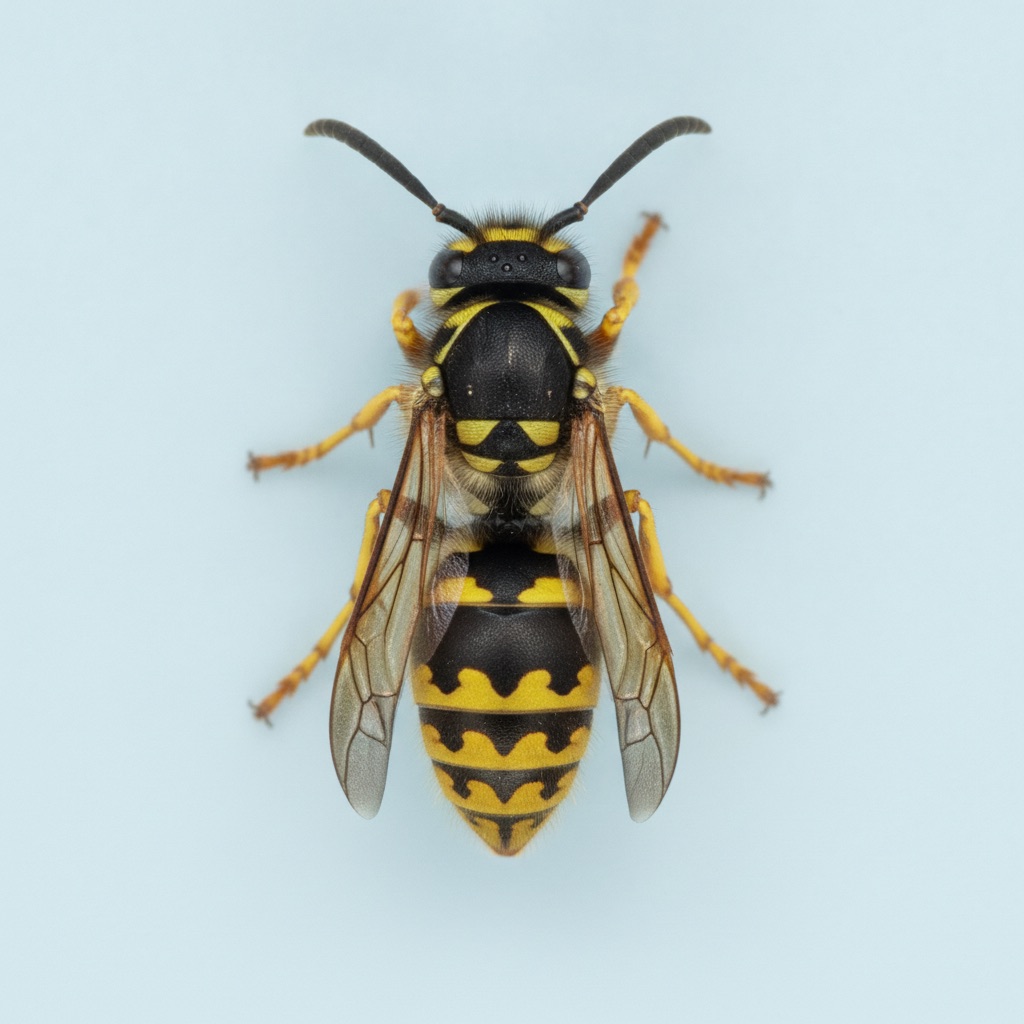 Bald-faced hornet sting Also possible · 92%
Often several — the colony defends aggressively. Usually swelling for several days.
Read the full profile → - Head lice bites Also possible · 81%
Concentrated behind the ears and at the nape. Usually until treated.
Read the full profile →
Photograph the bite in the app and it picks between these for you — with a severity read and what to do today. This page narrows the field; it does not diagnose you.
Confirm with a photoFree download · iPhone The year, month by month
Share of all recorded sightings in Minnesota. Pick a month to re-run the shortlist above for that time of year.
From GBIF biodiversity records, snapshot 2026-09-14. Records track when people observe and report specimens — close to activity, not identical to how often anyone gets bitten. Methodology.
Recorded biting species in Minnesota
Record counts come from GBIF and reflect how often a species is reported and identified in Minnesota. A guide to what is plausible here, not a census.
Narrowing it down in three questions
- Where on your body? Below the knee in clusters points to fleas or chiggers. Uncovered skin — arms, shoulders, neck — points to bed bugs or mosquitoes. Along a sock line or waistband is close to diagnostic for chiggers.
- How are they arranged? A line or zigzag of three or more suggests bed bugs. Scattered single bumps suggest mosquitoes. A curved group with white pustules the next day means fire ants.
- Indoors or outdoors, and when? In Minnesota the outdoor season runs May to September; the indoor species run all year — see what is biting me at night.
- Breathing trouble, or swelling of the lips, tongue or throat after a sting
- A red area that is spreading, hot and painful — especially with a red streak
- Fever, chills or feeling generally unwell in the days or weeks after a bite
- An expanding rash appearing 3 to 30 days after a tick bite
- A bite getting worse rather than better after 72 hours
Short of urgent: urgent care or your own provider. Poison Control 1-800-222-1222 handles spider and scorpion questions.
Bite season month by month
Of the 16 species recorded in Minnesota, 16 are active in June — the peak of the local season. The humid continental climate here is what sets those boundaries: species that need warmth disappear at the edges of the year, while the indoor ones do not care. By sighting records the busiest month here is August, at 25% of the year's total.
| Month | Species active | Notably |
|---|---|---|
| January | 2 | Bed bug, Head lice bites |
| February | 2 | Bed bug, Head lice bites |
| March | 5 | Honey bee, Flea, Bed bug |
| April | 11 | Honey bee, American dog tick, Mosquito |
| May | 14 | Honey bee, Paper wasp, American dog tick |
| June | 16 | Honey bee, Bald-faced hornet, Paper wasp |
| July | 16 | Honey bee, Bald-faced hornet, Paper wasp |
| August | 15 | Honey bee, Bald-faced hornet, Paper wasp |
| September | 13 | Honey bee, Bald-faced hornet, Paper wasp |
| October | 9 | Honey bee, Bald-faced hornet, Mosquito |
| November | 4 | Flea, Bed bug, Yellow sac spider |
| December | 2 | Bed bug, Head lice bites |
Stings rather than bites in Minnesota
Honey bee, Bald-faced hornet, Paper wasp, Carpenter ant, Yellowjacket are recorded here. Stings differ from bites in one way that matters: they can cause anaphylaxis in sensitised people, and that risk does not depend on how bad previous stings looked. Anyone who has had a severe reaction should carry an adrenaline auto-injector.
Species associated with illness here
- American dog tick bite — Rocky Mountain spotted fever, tularemia, tick paralysis (rare, resolves on removal)
- Mosquito bite — West Nile virus, La Crosse encephalitis, dengue (Gulf Coast and Southwest, local cases), chikungunya (rare, travel-linked)
- Deer tick bite — Lyme disease, anaplasmosis, babesiosis, Powassan virus (rare)
- Flea bite — murine typhus (Gulf Coast, California, Hawaii), cat scratch disease bacteria carried between cats, flea tapeworm (mainly in children who swallow a flea)
- Lone star tick bite — ehrlichiosis, Heartland virus, tularemia, STARI, alpha-gal syndrome (red meat allergy)
Most bites from these species transmit nothing. What matters is the follow-up: note the date of the bite, and report any fever or expanding rash in the following weeks to a clinician, mentioning the bite explicitly.
Year-round in Minnesota
Weather does not affect everything. Bed bugs, scabies and head lice depend on people rather than season, so a bite pattern in January in Minnesota points to those first.
Common questions
What bites are most common in Minnesota?
By verified sighting records, the most frequently recorded biting species in Minnesota are honey bee, bald-faced hornet, paper wasp, american dog tick, mosquito.
When is bite season in Minnesota?
Broadly May to September, driven by the humid continental climate. Bed bugs, scabies and head lice are year-round because they do not depend on weather.
Something bit me at night in Minnesota — what was it?
Overnight bites most often mean bed bugs, fleas or mosquitoes. Lines of welts on uncovered skin suggest bed bugs; clusters below the knee suggest fleas.
Stop guessing from a table.
One photo → likely species, severity, and a care plan you can re-check as it heals.