What's biting in France right now
Bite activity in France peaks April to August. July is the busiest month of the year at 16% of all records. Narrow yours down below, then confirm it with a photo in the app.
This page tells you what's around. The app tells you what bit you — photo in, likely species, severity read and a day-by-day care plan out.
Download free for iPhoneNarrow it down in three taps
Free · nothing to install to get a shortlistMost recorded in September
Answer 2 more for a sharper shortlist-
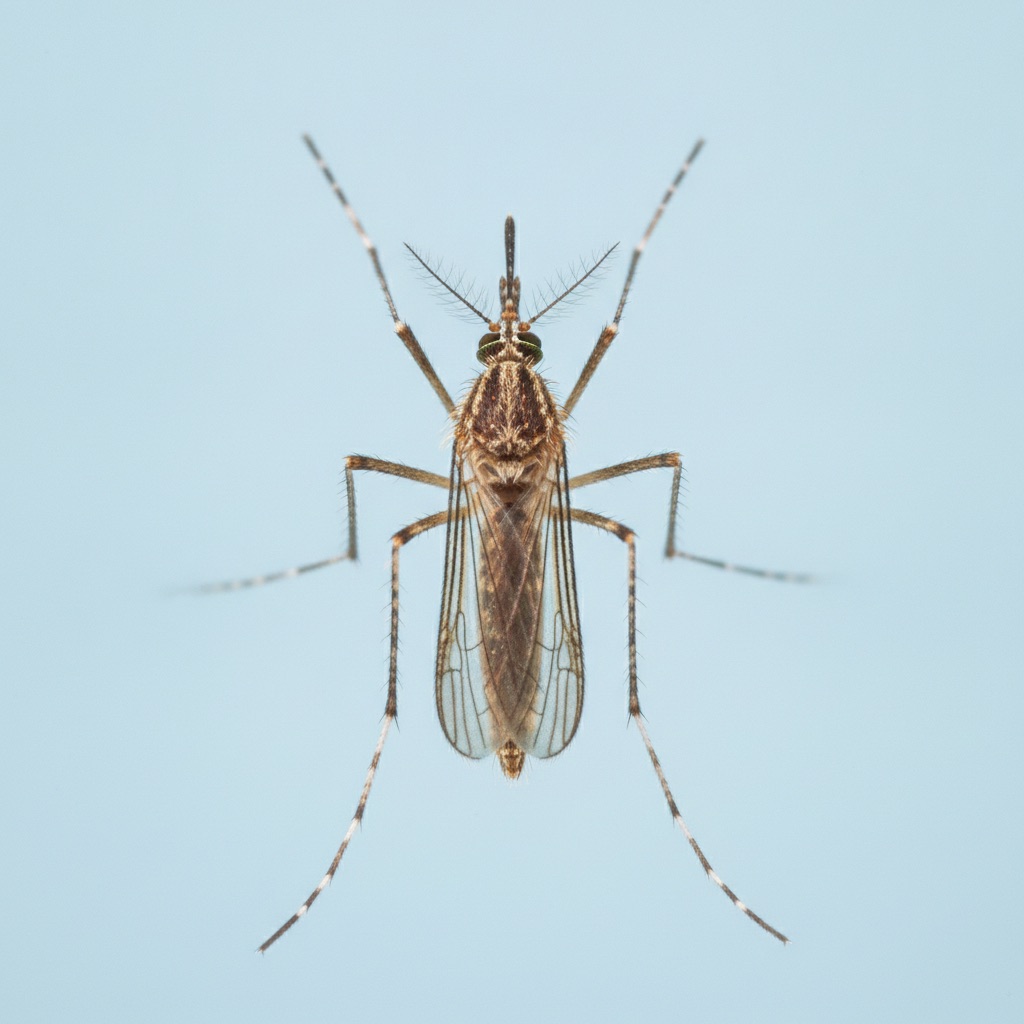 Mosquito bite Strongest match · 92%
Single bumps scattered over exposed skin. Usually 1 to 3 days, sometimes a week in children.
Read the full profile → - Chigger bite Also possible · 79%
Clusters concentrated where clothing is tight. Usually 1 to 2 weeks of itch.
Read the full profile → -
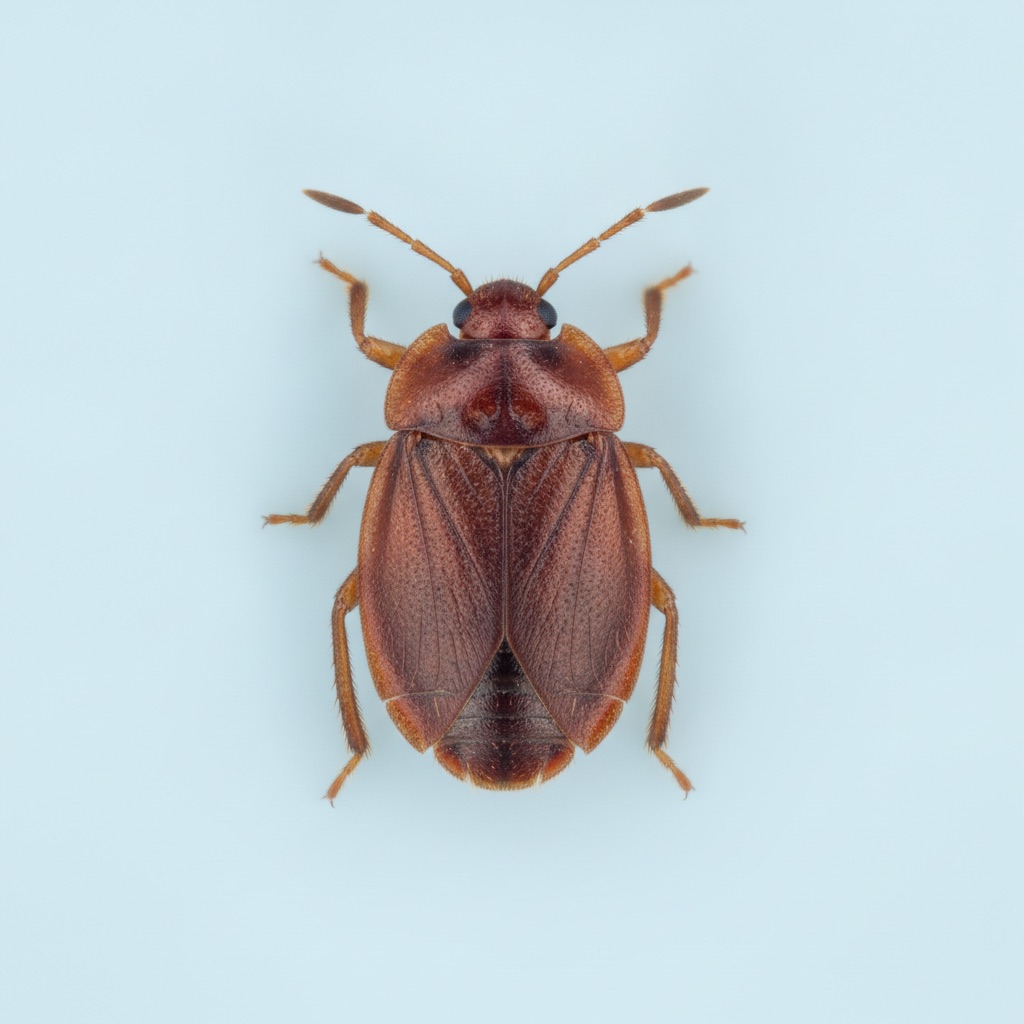 Bed bug bite Also possible · 43%
Lines or zigzags of three or more — the classic "breakfast, lunch and dinner". Usually 1 to 2 weeks.
Read the full profile →
Photograph the bite in the app and it picks between these for you — with a severity read and what to do today. This page narrows the field; it does not diagnose you.
Confirm with a photoFree download · iPhone The year, month by month
Share of all recorded sightings in France. Pick a month to re-run the shortlist above for that time of year.
From GBIF biodiversity records, snapshot 2026-09-14. Records track when people observe and report specimens — close to activity, not identical to how often anyone gets bitten. Methodology.
What actually bites you in France
Honey bees top records like these because they are the most photographed insect on earth — read this as "definitely present here", not as a ranking of risk.
What is different about France
A north–south split. The Mediterranean departments have a tropical-type daytime mosquito problem that the north does not.
Bed bugs, scabies and head lice ignore weather entirely — a bite pattern in the middle of France's quiet season points there first, see what is biting me at night.
- Breathing trouble, or swelling of the lips, tongue or throat after a sting
- A red area that is spreading, hot and painful — especially with a red streak
- Fever, chills or feeling generally unwell in the days or weeks after a bite
- An expanding rash appearing 3 to 30 days after a tick bite
- A bite getting worse rather than better after 72 hours
Call 15 (SAMU) or 112 for emergencies. Pharmacists are the usual first stop for bites and stings and can advise without an appointment.
The seasonal data behind this
Across 72,499 verified records for France, biting and stinging activity concentrates in April to August — July alone accounts for 16% of sightings, and December is the quietest month of the year.
France spans two situations. In the north and centre the picture is British: ticks in woodland, mosquitoes near water, wasps in late summer. Along the Mediterranean the tiger mosquito has established itself across most southern departments, which brings daytime biting and, in occasional local clusters, dengue and chikungunya transmitted within France rather than imported.
| Month | Activity | Share | Mostly |
|---|---|---|---|
| January | 1% | Aedes mosquito, Head lice bites, Bed bug | |
| February | 3% | Aedes mosquito, Head lice bites, Bed bug | |
| March | 8% | Castor bean tick, Aedes mosquito, Honey bee | |
| April | 13% | Castor bean tick, Aedes mosquito, Honey bee | |
| May | 14% | Castor bean tick, Aedes mosquito, Honey bee | |
| June | 15% | Castor bean tick, Aedes mosquito, Honey bee | |
| July | 16% | Castor bean tick, Aedes mosquito, Honey bee | |
| August | 13% | Castor bean tick, Aedes mosquito, Honey bee | |
| September | 8% | Castor bean tick, Aedes mosquito, Honey bee | |
| October | 5% | Castor bean tick, Aedes mosquito, Honey bee | |
| November | 2% | Aedes mosquito, Yellow sac spider, Head lice bites | |
| December | 1% | Aedes mosquito, Head lice bites, Bed bug |
Calculated from GBIF biodiversity records for France, snapshot 2026-09-14. Records reflect when people observe and report specimens, which tracks activity closely but is not the same as how often anyone gets bitten. See our methodology.
Year-round regardless of season
Weather does not affect everything. Bed bugs, scabies and head lice depend on people rather than temperature, so a bite pattern in the middle of France's quiet season points to those first — see what is biting me at night.
Species linked to illness here
- Castor bean tick bite — Lyme borreliosis, tick-borne encephalitis (central and eastern Europe, not the UK), anaplasmosis
- Aedes mosquito bite — dengue, Zika, chikungunya, yellow fever
- Mosquito bite — West Nile virus, La Crosse encephalitis, dengue (Gulf Coast and Southwest, local cases), chikungunya (rare, travel-linked)
- Flea bite — murine typhus (Gulf Coast, California, Hawaii), cat scratch disease bacteria carried between cats, flea tapeworm (mainly in children who swallow a flea)
- Scabies rash — secondary bacterial skin infection is common from scratching
- Deer fly bite — tularemia (rare)
Most bites transmit nothing. What matters is the follow-up: note the date, and report any fever or expanding rash in the weeks afterwards to a clinician, mentioning the bite and where you were.
Stings rather than bites
Honey bee, Paper wasp, Yellowjacket are recorded in France. Stings differ from bites in one way that matters: they can cause anaphylaxis in sensitised people, and that risk does not depend on how mild previous stings looked. Anyone who has had a severe reaction should carry an adrenaline auto-injector.
Common questions
When are insect bites most common in France?
Sighting records for France concentrate in April to August, with July the single busiest month at 16% of all records. December is the quietest.
What bites people most often in France?
By verified records the most frequently reported biting and stinging species are castor bean tick, aedes mosquito, honey bee, paper wasp, yellowjacket.
Do bites stop completely in winter in France?
No. Bed bugs, scabies and head lice depend on people rather than weather and continue year-round. What stops is the outdoor season — mosquitoes, ticks, wasps and biting flies.
Stop guessing from a table.
One photo → likely species, severity, and a care plan you can re-check as it heals.